Pakenham cleaning preparation
Agree access and privacy before a cleaner visits your occupied home
A regular cleaning visit works better when everyone knows which rooms are available, what may be moved and how the home will be secured. Put those arrangements in writing before the first visit.
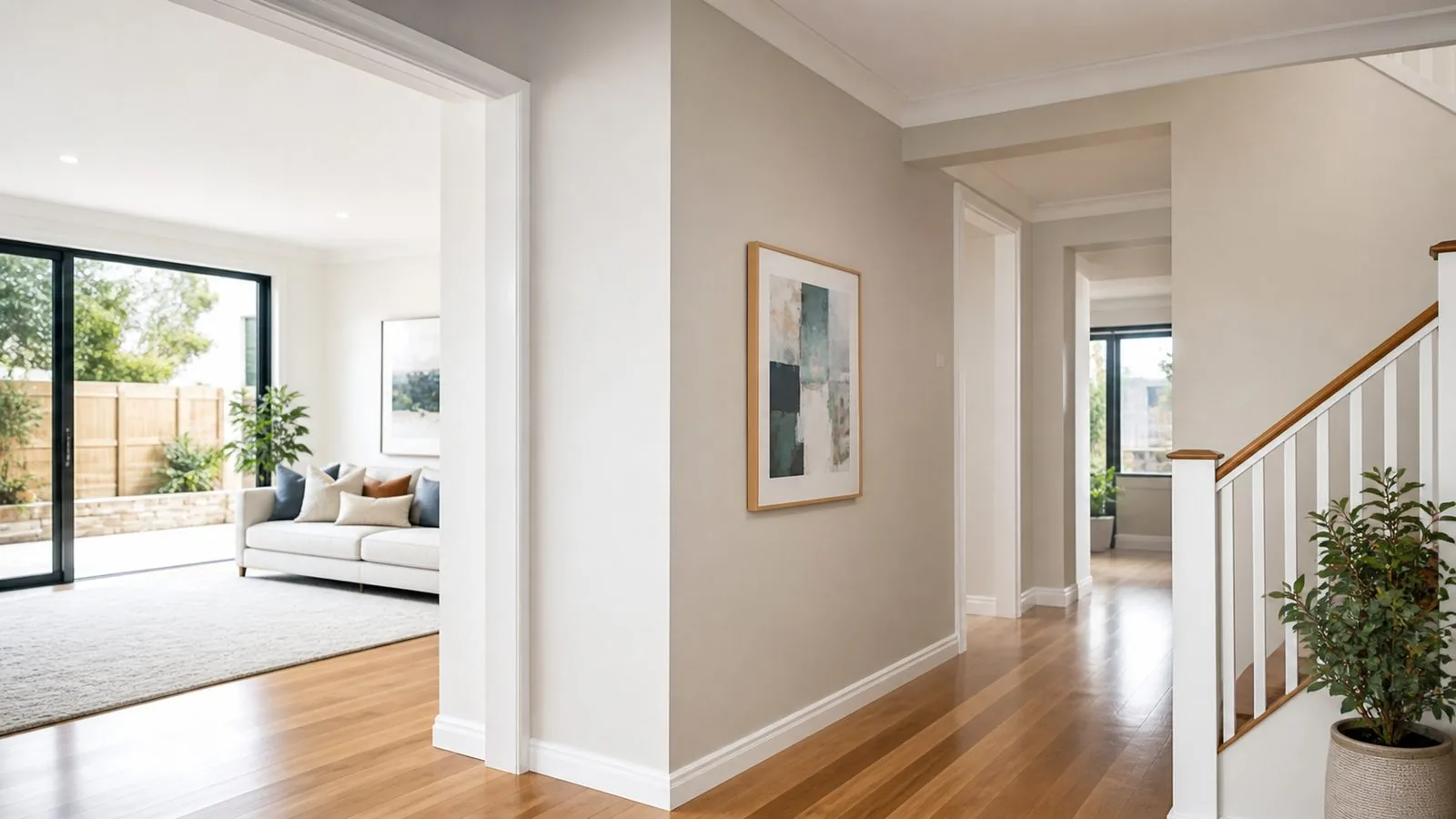
Describe the household's normal use of the home
Tell the cleaner whether the home will be empty, partly occupied or in use throughout the visit. Identify the rooms that need cleaning and the rooms that somebody must continue using. A person working in a study, a sleeping household member or a shared kitchen can affect the order of work. In a Pakenham family home, the preferred arrangement may be to complete the living area while an adult remains upstairs, then switch areas. Ask the provider whether that sequence is practical for the agreed service rather than assuming the cleaner can work around every activity without a change in scope.
Keep the description practical and avoid sharing personal information that is not needed. The cleaner needs to know that a bedroom is unavailable until a particular point, not the private reason for it. If several adults share the home, agree the room permissions together before booking. A cleaner should not be placed between conflicting instructions from different occupants. Nominate one contact who can clarify the scope and respond during the visit if necessary. This makes it easier to resolve an access question without someone entering a private room or spending time waiting for an answer that nobody is authorised to give.
Choose an entry arrangement you can manage
Agree how the cleaner will enter and who is responsible for providing access. If you will be home, confirm the arrival process and how the cleaner should identify themselves. If you will be away, discuss the provider's actual key or access procedure before handing over anything. Do not assume that every cleaner offers the same arrangements or that an online enquiry form is an appropriate place for an alarm code. Share sensitive access information only through the agreed method and only with the people who need it for the visit.
Write down how keys or access devices will be returned, retained for future visits or accounted for when the arrangement ends. Identify any gate, shared entrance or building access restriction that could prevent entry. If a key does not work or an alarm cannot be managed as agreed, the cleaner should have a contact process rather than improvising another way into the home. Keep access instructions separate from general photographs of the rooms. A clear agreement makes the visit easier to organise and avoids unnecessary exposure of information that would remain sensitive long after the cleaning task is complete.
Define which doors, cupboards and drawers may be opened
A request to clean a room does not automatically explain what may be opened inside it. State whether cupboard interiors, drawers or storage areas are included, and identify any areas that must remain closed. An occupied bedroom can contain medication, valuables and private records even when the visible surfaces are ready to clean. Clear or secure those items before the visit according to your own needs. The cleaner should not have to make decisions about personal belongings in order to complete an ordinary dusting or floor-cleaning task.
Use simple room notes where they are helpful, such as clean accessible surfaces only or leave the study cabinet closed. Avoid ambiguous instructions such as be thorough if some areas are private. If you want objects lifted for cleaning, agree which kinds of objects can be moved and how they should be replaced. Fragile collections, unstable furniture and equipment with cables deserve a separate discussion. The boundary should be clear enough that a different team member, if the provider uses one, could understand it without relying on the memory of someone who attended an earlier visit.
Prepare personal items without cleaning the house first
Preparation should create the access that was agreed. It may mean clearing clothes from a floor, putting paperwork away or removing dishes from a work area. Ask the provider what level of tidying is expected and whether any decluttering is part of the booked service. There is no benefit in assuming the cleaner will sort belongings when the appointment was priced for cleaning accessible surfaces. Equally, you do not need to duplicate the agreed cleaning work before they arrive. Focus on the items that prevent the cleaner reaching the areas you want addressed.
Do not discard another occupant's belongings or make decisions about documents on their behalf merely to clear a surface. Arrange those permissions in advance. If a room cannot be prepared as expected, tell the cleaner before the visit and ask how the scope should be adjusted. A small update can prevent time being lost on arrival. In a home where storage is limited, identify a temporary place for cleared items that does not block exits, stairs or equipment access. Preparation is useful when it supports the work safely, rather than moving the same obstruction from one working area into another.
Plan work calls, children and pets around the visit
If you work from home, identify any calls or tasks that cannot be interrupted and ask how the cleaning sequence can accommodate them. Vacuuming and other ordinary cleaning activity can be disruptive near a call, but the solution is an agreed room plan rather than expecting the cleaner to guess when silence matters. Provide a way to communicate a change without entering a private meeting. If you need the office excluded entirely, say so in the scope and arrange a separate opportunity to clean it when practical.
Make a clear arrangement for children and pets that keeps them away from the working area and products. Do not assume the cleaner is providing supervision or animal care alongside the service. Explain any doors or gates that must remain closed and who is responsible for managing movement between rooms. Better Health Channel advises storing household chemicals safely and following their labels; the visit plan should allow the cleaner to manage products without children accessing them. If the household cannot provide a suitable separation arrangement on the day, contact the provider to discuss the situation before work begins.
Agree what happens when the cleaner finds an issue
Ask how the provider will report something that changes the work, such as a damaged surface, an inaccessible area or an unexpected spill. Nominate the person who can approve a scope change and explain whether they will be reachable during the appointment. A cleaner should not have to choose between continuing beyond the agreed task and leaving without telling anyone why an area was missed. A short message with a specific question may be sufficient, but agree the communication method and avoid requesting photographs of private areas unnecessarily.
Keep ordinary cleaning separate from repairs, hazardous clean-up or tasks requiring specialist assessment. If the cleaner encounters something outside the booked scope, ask them to identify the excluded area and the reason it needs another discussion. Do not encourage an improvised treatment simply because the appointment is already underway. Similarly, if an occupant asks for extra rooms or a new task, confirm how the provider handles that request. An agreed change process protects the original priorities and makes it easier to understand any difference between the planned visit and the work that was actually completed.
Use a first-visit scenario to test the agreement
Hypothetical example: a household in Officer books a regular clean while one adult works in a downstairs study. The study cabinet is private, the upstairs bedroom will be occupied at the start of the visit and the dog will remain with another adult in a separate area. The booking notes identify those boundaries and give one contact for questions. The cleaner confirms a workable sequence and explains what will happen if the household's timing changes. The agreement is specific enough to guide the first visit without exposing private details about why a room is unavailable.
The household also records where the cleaner should leave any supplied access device and which doors need to be checked at departure. After the first visit, they review whether the sequence worked and whether any areas were difficult to access. They adjust the room notes for future appointments rather than relying on a casual conversation that may be forgotten. Your own plan can be similarly short. The useful detail is whatever prevents uncertainty about entry, permission, working space and departure. A long list of preferences is less helpful if the most important boundary is hidden among minor instructions.
Confirm completion and keep the arrangement current
Agree how you will know the visit is complete, particularly if you are away. Ask what the cleaner will report about excluded areas, items needing attention and the lock-up process. Do not require unnecessary photographs of the whole home merely to prove attendance; discuss an appropriate completion record that respects the occupied setting. If something was missed, refer to the agreed room scope and provide a specific description. This gives the provider a fair opportunity to understand the issue and respond through their normal process.
Review the access arrangement whenever occupants, pets, furniture or working routines change. Update or withdraw access information when it is no longer needed, and confirm the provider's process when a recurring service ends. Keep your room permissions and contact details current so that the cleaner does not act on an outdated instruction. A well-organised occupied-home visit depends on clear boundaries as much as a task list. The household knows what to prepare, the cleaner knows where they may work, and both sides have a practical way to handle the ordinary changes that happen in a lived-in home.
Occupied-home visit agreement checklist
Tick an item after you have recorded the arrangement and, where needed, confirmed it with the cleaner and other occupants.
0 of 6 recorded. Still to check: Available and private rooms identified; Entry and key return method agreed; Personal items and documents secured; Working-from-home routine explained; Children and pet arrangements confirmed; Lock-up and completion contact agreed.
This page does not send the checklist, book a visit or confirm a cleaning outcome.
Discuss the work you need
House-cleaning service information gives the related service information. Include any unresolved checklist items in your enquiry.
Primary references
Checked September 2026. Follow the instructions for the actual surface or product in your home.