Pakenham cleaning preparation
Prepare the room before a carpet-cleaning visit
A useful carpet-cleaning booking describes the floor, the furniture and what needs to happen afterwards. Agree those details before the visit so the cleaner can assess the work and you can plan how to use the home.
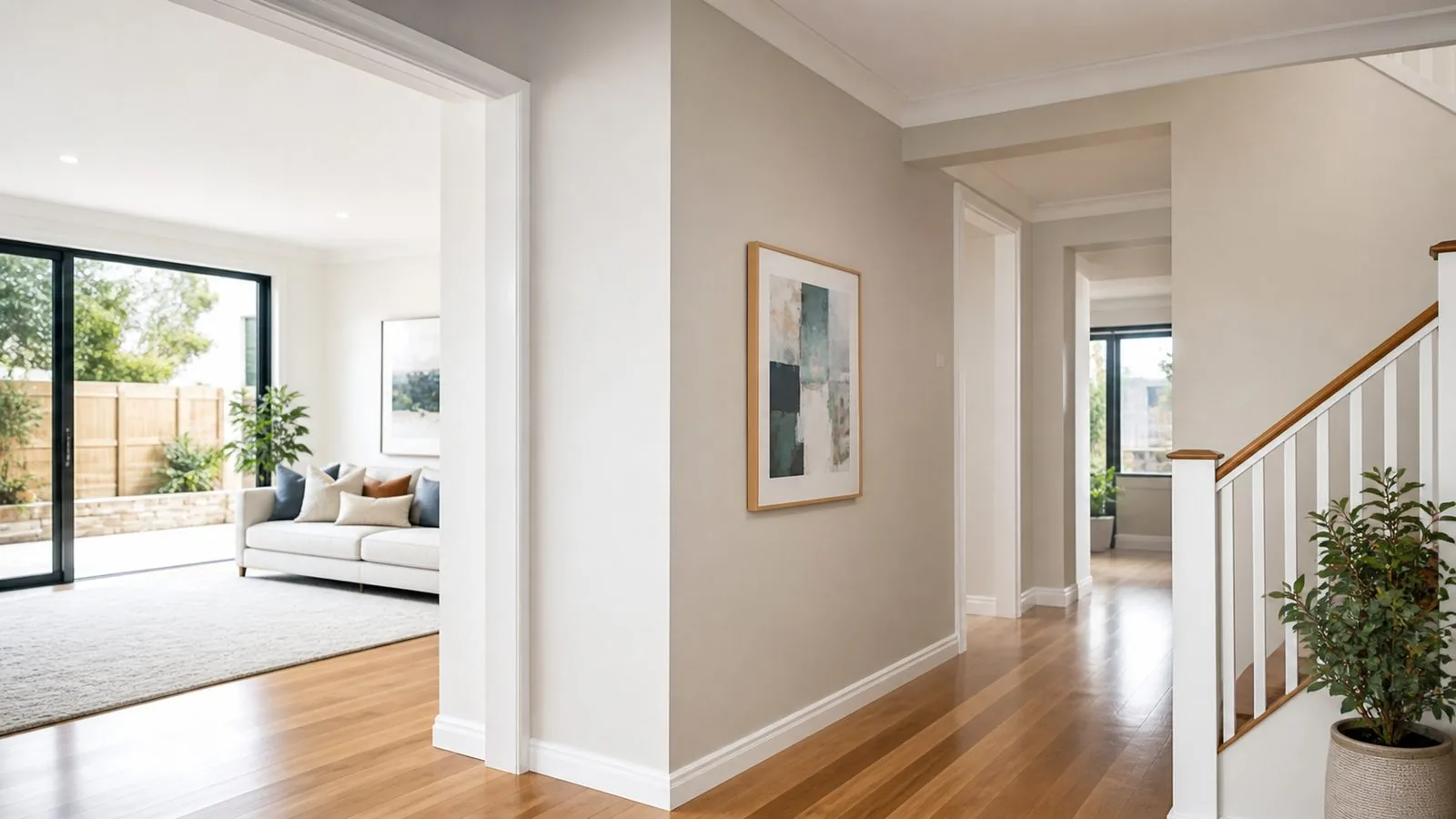
Identify the carpet and the areas to be assessed
List the rooms and any stairs, landings or adjoining carpeted areas that you want included. Identify loose rugs separately because they may need a different assessment or service from fitted carpet. If you have a product label, purchase record or care guide, keep it available for the cleaner. Do not guess the fibre or backing from the colour and feel alone. A photograph can show the room and a visible mark, but it does not establish the material or the cleaning method that is suitable. Tell the cleaner what is known and what still needs to be checked.
Describe whether the rooms are furnished, partly emptied or completely vacant. Include small areas that are easy to overlook, such as a walk-in robe or a carpeted study alcove, and ask how they will be counted in the quote. In a Pakenham townhouse, stairs and upstairs access may matter as much as the room list. Give the supplier a clear floor-by-floor description rather than only a bedroom count. This helps avoid a booking based on three rooms when the actual request includes a hallway, stairs and several separate rugs that were never discussed.
Record marks without promising they can be removed
Point out the areas that concern you and describe what you know about each mark. Note when it appeared, what may have caused it and whether any product or treatment has already been used. If you are uncertain, say so. An old patch of discolouration and a recent spill are not the same information, even if they look similar in a photograph. Ask the cleaner to assess realistic expectations before starting. The booking should distinguish general cleaning from a specific stain or odour concern, and it should not assume that every visible difference in the carpet can be reversed.
Avoid adding another treatment simply to make the carpet look better before the cleaner arrives. Give them the names of products already applied, ideally from their original labelled containers or photographs of the labels. Follow the carpet manufacturer's care instructions and ask the cleaner what preparation is appropriate for the actual material. Bremworth's care information is one example of a manufacturer providing product-specific guidance; the relevant guide is the one for your carpet. If a mark is linked to a leak or ongoing moisture problem, disclose that as well so ordinary cleaning is not mistaken for resolving the underlying cause.
Agree who moves each type of furniture
Walk through the rooms and divide the furniture into items you can safely clear, items the cleaner has agreed to move and items that will remain. Confirm that arrangement explicitly. A quote for accessible carpet may not include moving a large bed, loaded bookcase or heavy entertainment unit. Ask what area will be cleaned around retained furniture and whether there are limits on what can be moved. This is particularly useful in an occupied home where a photograph can make a room appear more accessible than it is once cords, stored items and furniture weight are considered.
Remove small personal belongings from the floor if that is part of the agreed preparation, but do not attempt heavy lifting beyond what you can manage safely. Clear fragile objects from furniture that has been agreed for movement and tell the cleaner about unstable or damaged pieces. Keep cables and small electronics out of the working route without disconnecting equipment that should be left alone. If you need assistance clearing a room, discuss that before the appointment. The aim is to provide the access that was quoted, not to turn preparation into an unplanned furniture-removal job on the morning of the visit.
Plan the route for equipment and people
Describe the entrance the cleaner should use, any steps or narrow passages and the distance from suitable parking to the rooms. If there is a building access process, shared entry or time restriction, explain it when booking. Ask what access the selected cleaning equipment needs rather than assuming every cleaner uses the same setup. Keep the route free of loose items and identify any surface or threshold that needs particular care. For an upstairs room, make sure the cleaner knows about the stairs before arrival. A short access description can prevent confusion that a room count alone will not reveal.
Consider how household members will move around while the work is taking place. If the carpeted hallway is the only route to a bathroom or bedroom, tell the cleaner so the sequence can be discussed. Keep children and pets away from the working area and equipment under arrangements agreed in advance. Do not plan for people to step over hoses or move equipment themselves. If somebody must remain at home for work or other reasons, identify the room they will use and ask how access can be maintained safely. The cleaner should be able to assess whether that plan is practical for the visit.
Ask about drying before fixing the rest of the day's schedule
Ask the cleaner what drying and return-to-use instructions apply to the chosen method, the carpet and the conditions in your home. Avoid treating a generic online drying time as a promise for your appointment. The answer may depend on what is being cleaned and how the rooms can be managed afterwards. Explain if you need to sleep in a room that night, move furniture back promptly or leave the property locked and unattended. These are useful scheduling constraints to discuss before booking, rather than surprises to raise as the equipment is being packed away.
Confirm what ventilation or other arrangements the cleaner recommends and whether they are compatible with the home's security and household needs. Do not leave windows or doors open contrary to a safe access plan merely because drying has been mentioned. Ask when furniture can be returned, whether any protective measures supplied by the cleaner must remain in place and what signs should prompt a follow-up call. Keep those instructions in writing where possible. A carpet that looks finished in a photograph may still need the return-to-use steps explained by the person who carried out the work.
Separate carpet cleaning from other tasks in the move
If the visit is part of a move, coordinate it with the removal of belongings and any other cleaning or trade work. Explain which tasks will be completed first and what will still be happening afterwards. A carpet-cleaning appointment can be disrupted if furniture removal is delayed or a contractor needs repeated access through the freshly worked rooms. Ask the suppliers involved to confirm a sensible sequence for the actual job. Keep the inspection or handover date visible in the booking, but do not assume a tight deadline changes what can reasonably be assessed or completed.
For an occupied-home clean, identify what else is expected that day. Upholstery, curtains, mattresses and hard floors should not be silently included because they are in the same room as the carpet. Ask whether the provider offers the relevant service and request a separate scope where needed. This also helps when comparing quotes: accessible fitted carpet in named rooms is a different request from moving furniture and treating several furnishings. A clear scope gives you a useful basis for choosing the visit and reduces the chance that the cleaner is asked to improvise a new job after arrival.
Use a room example to check the preparation
Hypothetical example: an Officer household books cleaning for a lounge, two bedrooms and an upstairs landing. The lounge contains a heavy cabinet that will stay in place, while the owners can clear toys and small floor items. One bedroom has an old mark that has been treated with a supermarket product. Their booking notes identify all of those details, include the product name and explain that the upstairs landing is the route to the bathroom. The cleaner can then assess the scope, discuss furniture limits and explain how the household should use the area during and after the work.
The owners also explain that they cannot leave the home unsecured while they are out. Instead of assuming open windows will be available for the afternoon, they ask for drying arrangements suited to their situation and decide whether the appointment time works. The value of the example is the information exchange: the cleaner knows the constraints and the household understands the instructions before committing to the day. Use the same approach for your own rooms. A few accurate notes about access, retained furniture and previous treatments are more useful than a general request to make every carpet look new.
Keep a completion record and a clear follow-up route
At the end of the visit, confirm which rooms and agreed tasks were completed and ask about any area that was excluded or could not be treated as expected. Record the cleaner's observations about remaining marks without turning them into a diagnosis of the carpet. Keep the invoice, scope and care instructions together. If you take photographs, use them to document the condition and the areas discussed, recognising that lighting can change the apparent colour of a surface. A concise record is useful for your own maintenance planning and for any later conversation with the supplier.
Follow the return-to-use instructions and contact the cleaner if something seems different from what was explained. Describe the room, the area and when you noticed the issue. Avoid applying additional products before asking for advice, as that can complicate the assessment. For a rental property, keep cleaning records alongside the relevant property documents, but do not treat a receipt as a guarantee about an inspection or bond decision. The practical outcome of preparation is a well-defined visit: the cleaner has the information needed to assess the work, and the household knows how to manage the rooms afterwards.
Carpet visit preparation checklist
Use the list for the rooms you want cleaned. Tick each item after the arrangement is recorded or confirmed.
0 of 6 recorded. Still to check: Carpet rooms and separate rugs listed; Marks and previous treatments described; Furniture-moving scope confirmed; Safe equipment access agreed; Drying and room-use instructions requested; Completion notes and follow-up contact planned.
This page does not send the checklist, book a visit or confirm a cleaning outcome.
Discuss the work you need
Carpet-cleaning service information gives the related service information. Include any unresolved checklist items in your enquiry.
Primary references
Checked September 2026. Follow the instructions for the actual surface or product in your home.